
Sam Altman Just Gave the Best Reason Not to Trust ChatGPT

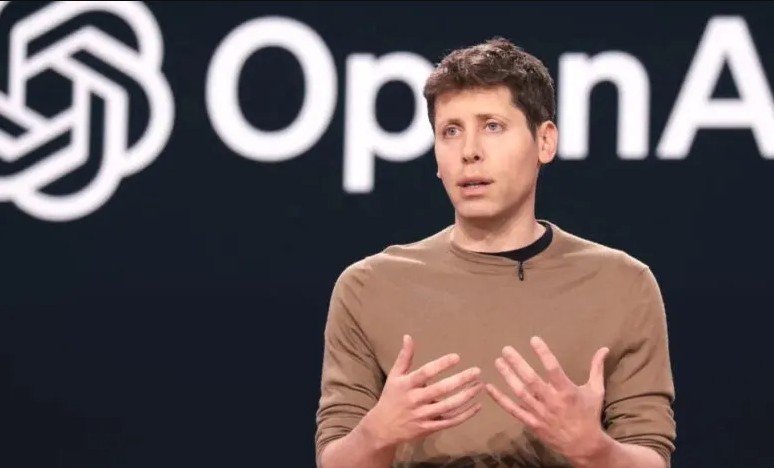
In a candid moment during a recent appearance on comedian Theo Von’s podcast, OpenAI CEO Sam Altman gave what might be the strongest argument yet for not trusting ChatGPT — or any cloud-based AI chatbot — with your personal information.
Altman revealed what many privacy advocates have been warning about: everything you say to ChatGPT is stored, and if a court demands it, OpenAI can be legally forced to hand it over.
"People tell ChatGPT the most personal things"
“People talk about the most personal shit in their lives to ChatGPT,” Altman said. “Young people especially use it like a therapist, a life coach. They ask about relationship problems, deep emotional issues, even legal or ethical dilemmas.”
But here's the catch: there is no legal privilege or confidentiality protecting what you say to an AI, unlike conversations with therapists, doctors, or lawyers. In Altman's own words, “If there’s a lawsuit or whatever, like, we could be required to produce that.”
Yes, your chats can be subpoenaed
While OpenAI’s terms of service promise privacy, the reality is that privacy ends where the law begins. If a subpoena or court order is issued, OpenAI has to comply. Imagine divorce proceedings where one party’s ChatGPT history reveals conversations about cheating, substance use, or worse — all admissible in court.
This vulnerability isn’t theoretical — it’s very real. And Altman, the face of the technology, just confirmed it.
The case for running AI locally
Privacy-conscious users have long advocated for running AI models locally, directly on your PC. Tools like GPT4All and other local LLMs (large language models) let you interact with chatbots without sending your data to the cloud.
When running a local AI:
- Your conversations stay on your machine.
- You can delete chat logs instantly.
- No third party (like OpenAI) stores or monitors what you write.
- There's no risk of court-ordered data release — unless your device is seized and searched.
Of course, this isn't a license to break the law or conceal evidence, but it gives you far more control over your data than cloud-based services ever could.
AI is not your therapist — yet
As Altman pointed out, many people turn to ChatGPT as a therapist, a coach, even a friend. But AI lacks the legal protections and human judgment of real professionals. Until regulations catch up, users should think twice before sharing sensitive or incriminating information with any AI chatbot.
If you need help, talk to a licensed human therapist. If you want privacy, use local AI. But don't assume that what you say to ChatGPT stays between you and the machine.
Related post:







Leave a Reply